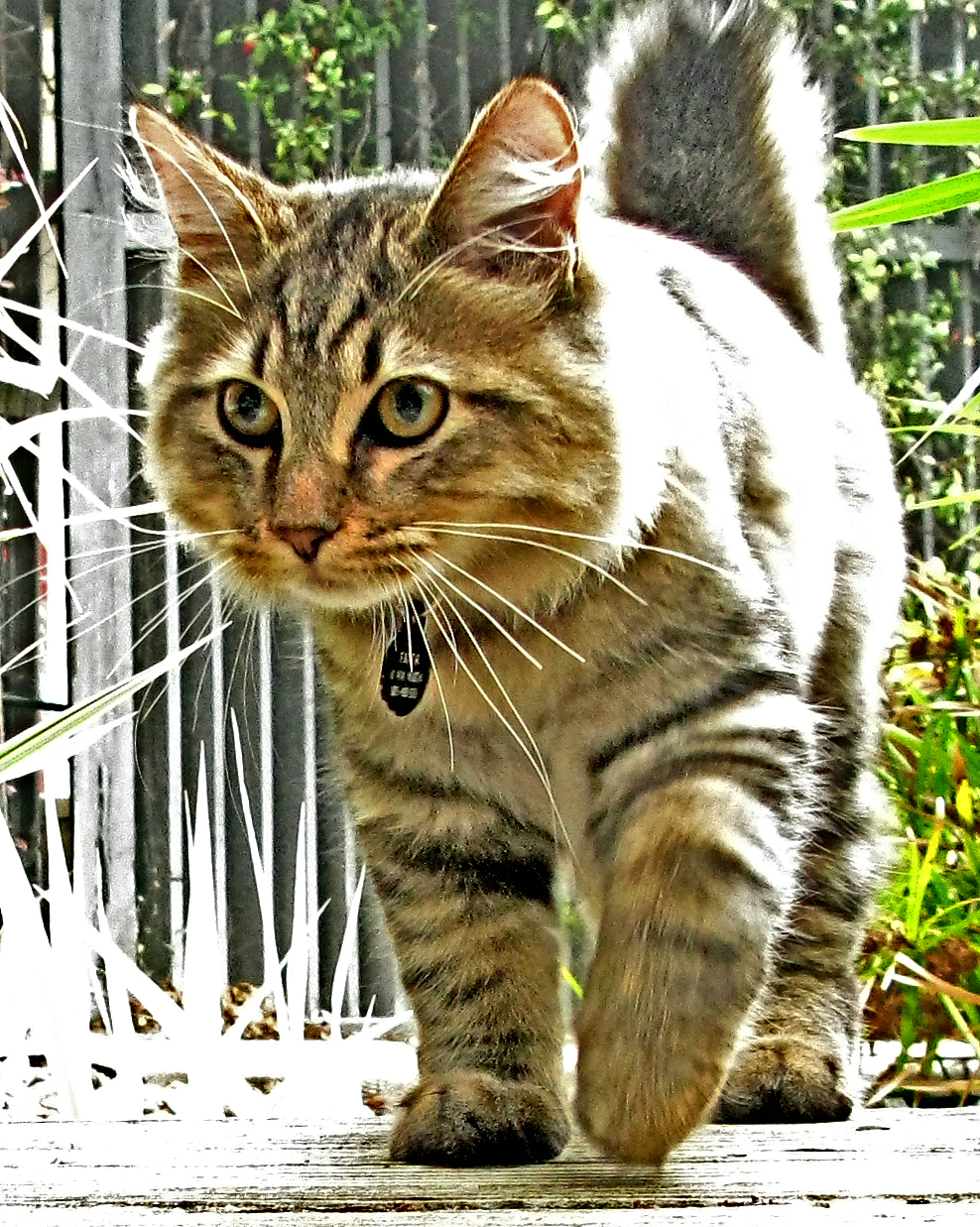
A natural North American breed with a short 'bobbed' tail and a wild, athletic appearance. American Bobtails are famously dog-like — they fetch, walk on leashes, greet visitors at the door, and travel well by car.
- Origin
- United States
- Category
- shorthair
- Lifespan
- 13–15 yrs
- Size
- Medium-Large
- Weight
- 3–7 kg
- Coat
- Both shorthair and longhair varieties — dense and weather-resistant
- Colours
- All colours and patterns
😺 Temperament
🏡 Best suited to
📊 Personality ratings
📜 History & origin
The breed traces to a kitten named Yodie, found in Arizona by John and Brenda Sanders in the late 1960s. Yodie had a naturally short tail and was bred to the Sanders' Siamese female. The bob-tail trait proved dominant, and selective breeding to fix the wild type-appearance produced the modern American Bobtail. The bob-tail is the result of the same dominant gene found in some natural cat populations across North America — distinct from the Japanese Bobtail's recessive gene. TICA recognised the breed in 1989 and CFA followed in 2006. Unrelated to the Manx, which is a tailless mutation rather than a bobtail one.
🧼 Care & grooming
Longhair Bobtails need 2–3 weekly brushings; shorthairs need a weekly comb-through. They are renowned for their dog-like adaptability — many learn to walk on leads, ride in cars without complaint, and accompany owners on travel. Their high intelligence means puzzle feeders, clicker training, and interactive play are deeply appreciated. They bond strongly with the whole family rather than fixating on one person.
🩺 Health notes
Generally a robust breed thanks to natural breed origins and a diverse gene pool. The dominant bobtail gene does not cause the spinal problems associated with the Manx's tailless gene — Bobtails have full spines that simply terminate in a short tail. Hip dysplasia can occur in larger individuals. Otherwise a healthy, long-lived breed with no significant breed-specific concerns.


